
Unusual Rites and Rituals: Exploring Radical Ceremonies Around the World
Throughout history, societies and cultures have developed unique rites and rituals to mark significant events, transitions, or beliefs. These ceremonies often reflect the values, traditions, and spirituality of a community. In this article, we delve into some of the most unusual and radical rituals practiced around the world.
The Day of the Dead - Mexico
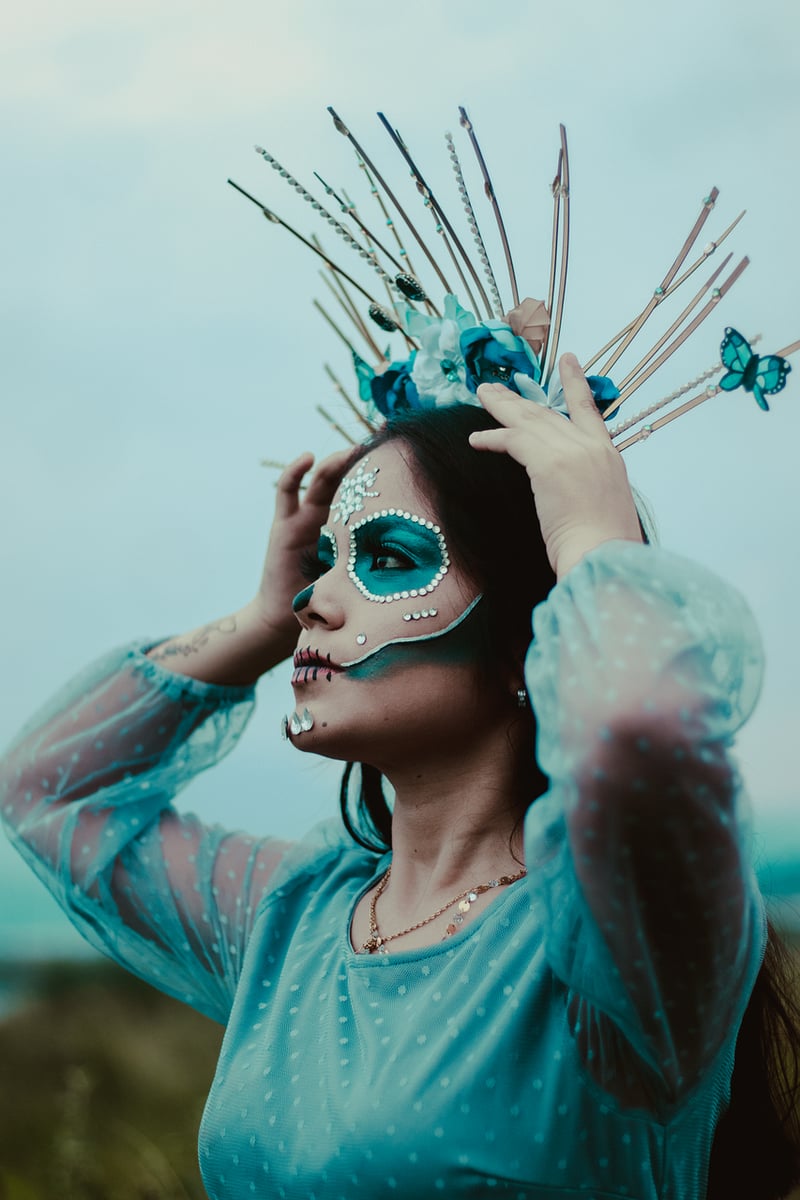
The Day of the Dead, or Día de los Muertos, is a vibrant Mexican holiday that honors deceased loved ones. Families create elaborate altars adorned with marigolds, photos, and the favorite foods of the departed. The belief is that on this day, the spirits return to visit their living relatives, creating a colorful and festive atmosphere in cemeteries and homes.
Fire Walking - South India
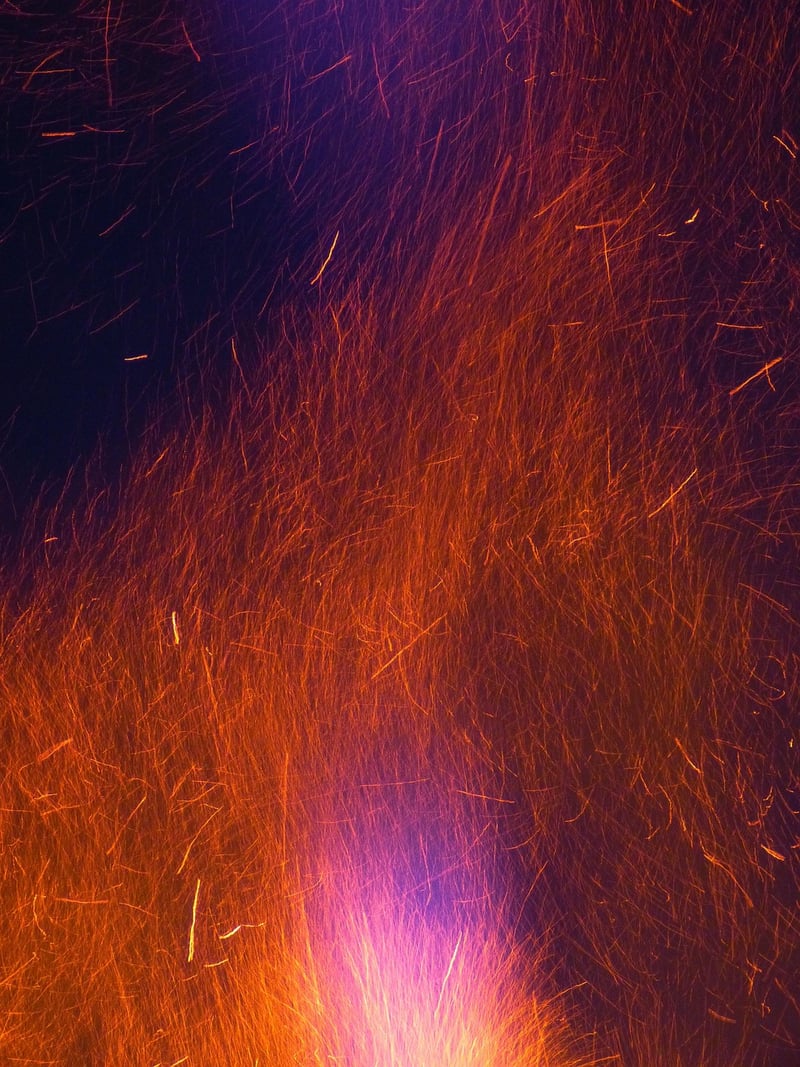
Fire walking is a daring ritual practiced during religious festivals in South India. Participants walk barefoot over a bed of hot embers without sustaining burns or injuries. It is believed that by showing faith and devotion, the gods will protect them from harm during this intense display of courage.
Antzar Eguna - Spain
Antzar Eguna, or the Day of the Geese, is a traditional festival in Spain where participants attempt to decapitate a dead goose while blindfolded, using only their teeth. This bizarre ritual dates back centuries and is said to bring good luck and blessings to the winner.
Thaipusam - Malaysia
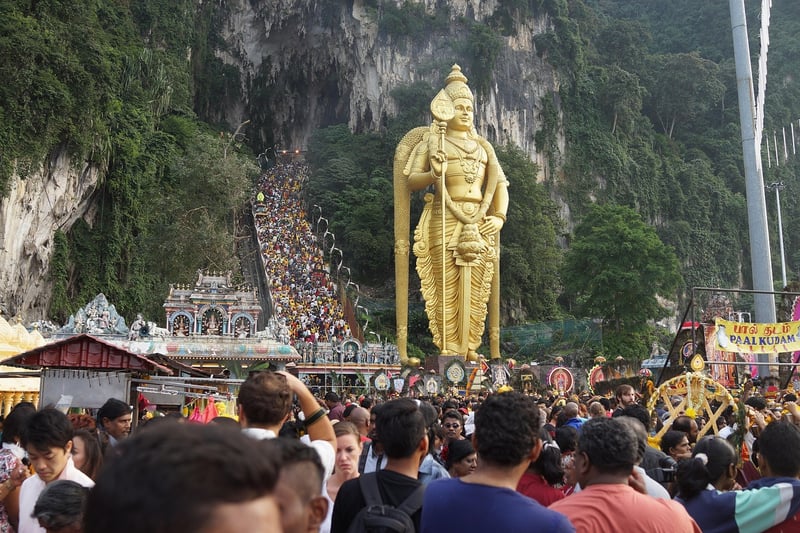
Thaipusam is a Hindu festival celebrated in Malaysia, where devotees pierce their bodies with hooks and skewers as acts of penance and devotion to Lord Murugan. The participants often carry ornately decorated kavadi, elaborate structures that are attached to their bodies with hooks and spears, as they undertake a procession to temples.
Endocannibalism - Papua New Guinea
Endocannibalism is a ritualistic practice among certain tribes in Papua New Guinea where deceased relatives are consumed as a way of honoring and absorbing their wisdom and qualities. The belief is that by ingesting the remains of their loved ones, the living can maintain a connection with the spirits of the departed.
These radical ceremonies offer a glimpse into the diverse and fascinating world of cultural traditions and beliefs. While they may seem unusual to outsiders, they hold deep significance and meaning for those who participate, showcasing the rich tapestry of human experiences across different societies.
Whether it's honoring the dead, testing one's faith, seeking blessings, or connecting with ancestral spirits, these rituals remind us of the powerful role that traditions and ceremonies play in shaping our identities and communities.